The Swiss Travel Pass is probably the most well-known train pass in Switzerland. But that doesn’t mean it’s automatically the best choice for your trip.
In fact, it’s often not the transportation pass we recommend for most travelers. But there are some trips where it makes total sense.
So instead of simply telling you what it is and what’s covered, we’re going to help you figure out whether the Swiss Travel Pass actually fits your trip.
Want to Watch instead of Read?
The Decision Framework (Should I buy a Swiss Travel Pass?)
Almost every question about the “all-in-one pass” Swiss Travel Pass falls into one of these 4 categories:
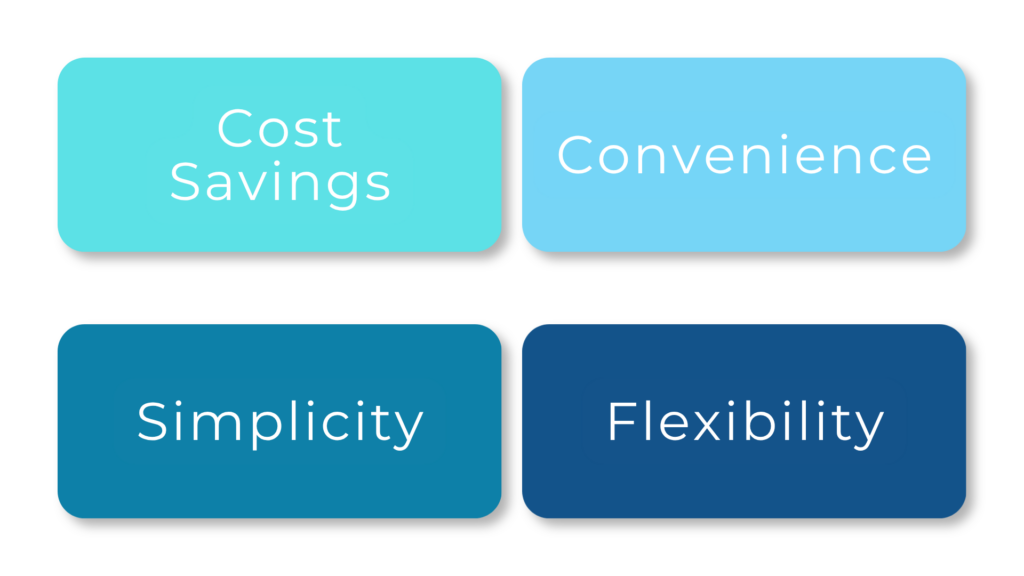
Cost savings: “Will this save me money?”
Convenience: “Will this make my travels easier?”
Simplicity: “Will this reduce my planning stress?”
Flexibility: “Will this allow me to change plans easily?”
To decide whether this pass makes sense for your itinerary, don’t just ask, “Is it worth it?” Ask what you’re actually trying to optimize for. Because the Swiss Travel Pass scores very differently in each category. And while it’s a safe default, it’s not always the best fit.
Reality Check #1: What The Swiss Travel Pass Actually Covers
Quick reality check before we get into profiles and scorecards: the Swiss Travel Pass covers a lot — unlimited travel on regular trains, buses, boats, city transport, many museums, and a few mountain routes. And on those fully covered routes and experiences, your pass is your ticket.
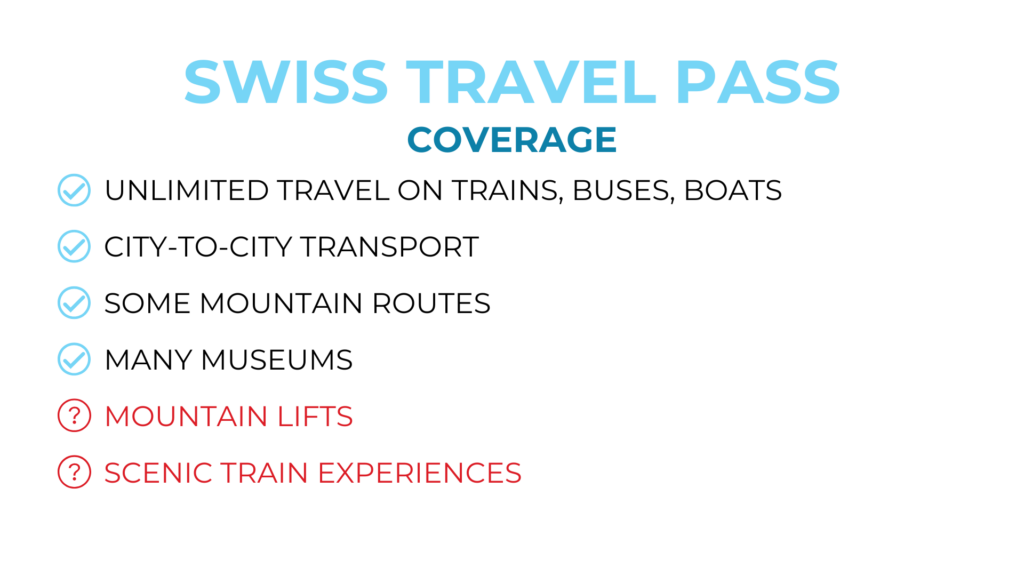
But it does not mean every mountain lift or scenic train experience is free. Some are included, many are discounted, and others still require separate seat reservations or extra tickets.
Now let’s look at the traveler profiles — some where the Swiss Travel Pass makes the most sense…and a few where we’d probably tell you to think twice.
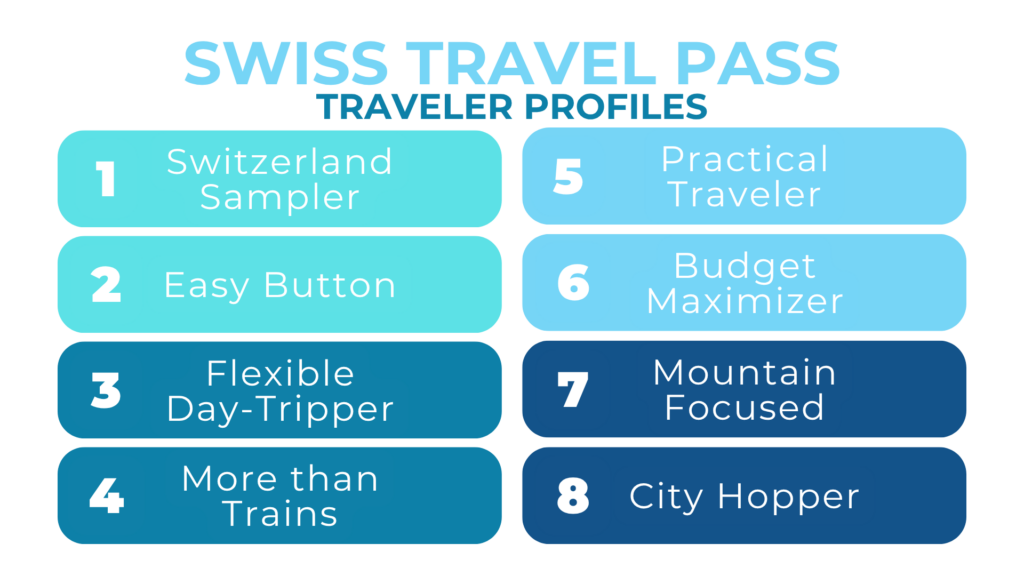
Strong Fit: The Switzerland Sampler
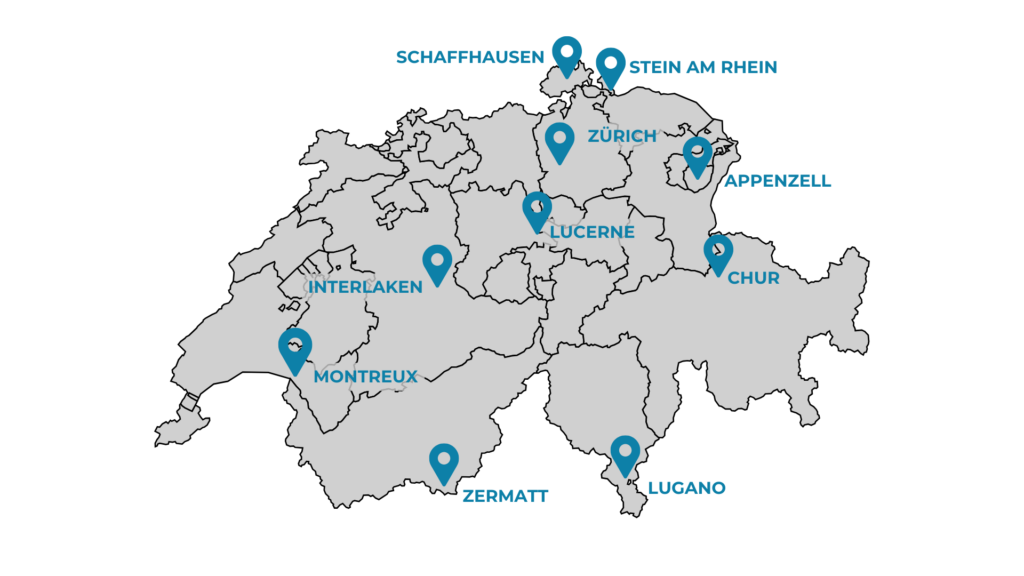
First up is the Switzerland Sampler. This is you if you’re traveling quickly throughout multiple regions across the entire country of Switzerland.
Here’s an example:
- You fly into Zurich, then travel through Schaffhausen, Stein am Rhein, Appenzell, and Chur.
- From there, you ride the Glacier Express to Zermatt, and continue to Montreux, Interlaken, Lucerne, and Lugano.
- And maybe even use the Bernina Express as a scenic route back toward Zurich.
While convenience is always a high mark for the Swiss Travel Pass, the value is also starting to stack up.
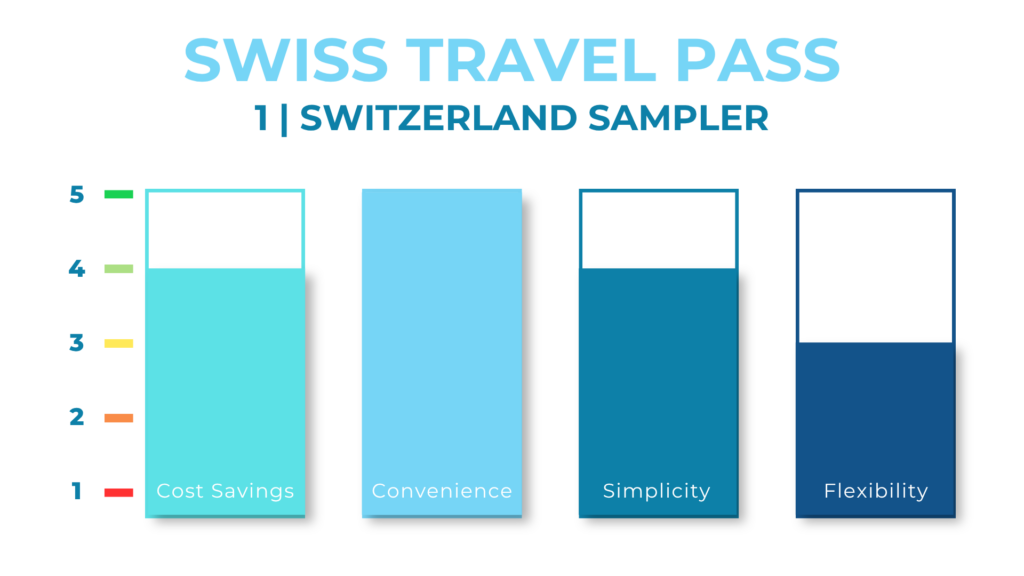
Here’s why it makes sense:
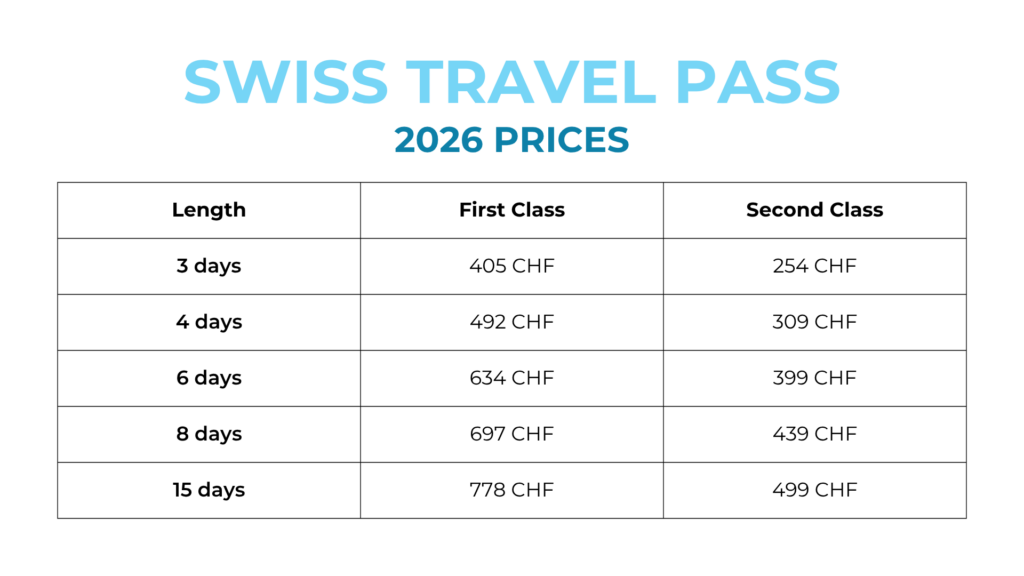
- Looking at the current price of a regular adult Swiss Travel Pass, you’re paying as much as 85 CHF per day for a 3-day pass or just 33 CHF per day for a 15-day pass.
- In general, most 8–15-day trips where you stay 3 nights or less in each location, are a decent value with the Swiss Travel Pass.
- And for some fast-moving trips, the Swiss Travel Pass will even be the very best option for your budget.
So the more your trip feels like a countrywide Switzerland sampler, the more the Swiss Travel Pass starts to make sense.
Keep in mind that not every trip to multiple regions qualifies. Some regions are quite cheap to explore. And the cost of traveling from one city to another might surprise you. For example, Interlaken to Lucerne costs just 34 CHF full price, and Lucerne to Zurich is just 27 CHF.
Strong Fit: The Easy Button Traveler
Next up is the Easy Button Traveler. This is you if you care more about an easier trip than squeezing out every last franc of savings.
For example, say:
- You fly into Geneva, spend 3 nights in Montreux, then 1 night in Bern, 2 nights in Lucerne, and 2 nights in Zurich, with maybe a side trip to the Rhine Falls.
That’s a fantastic Switzerland trip — but because you’re spending multiple nights in each place and taking fewer expensive travel days, the Swiss Travel Pass may be more about convenience than savings.
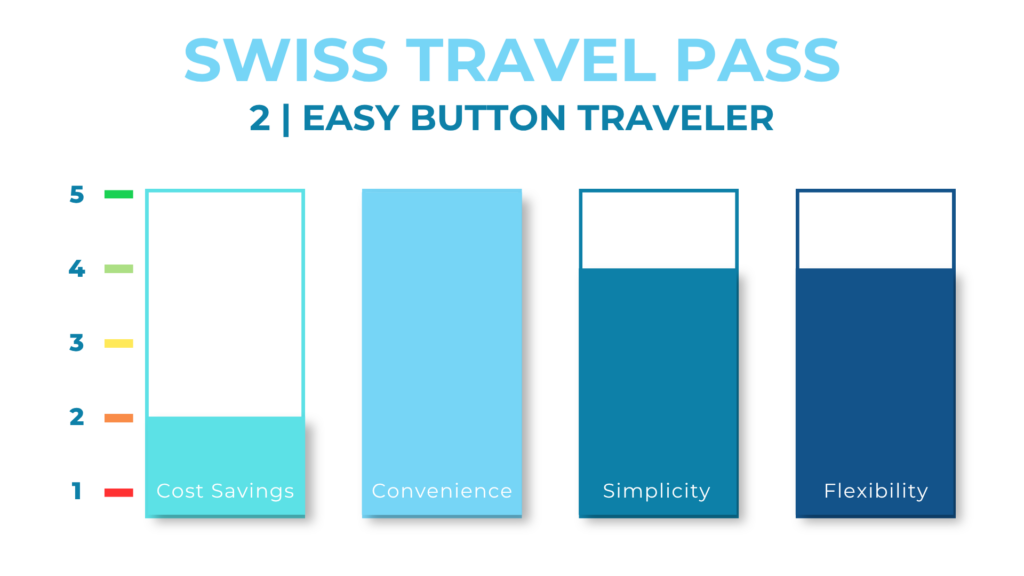
Our score for cost savings is so low because you could easily save a couple hundred francs with a different train pass. But you’re the easy button traveler, and saving money isn’t your top goal!
So here’s why the Swiss Travel Pass makes sense:
- You’ll purchase less tickets
- You’ll make fewer decisions
- You’ll spend less time comparing options
- You’ll have less stress on travel days
- And you’ll have confidence that most of your planned routes are already covered
If your vacation will feel better because you don’t have to think about every train ticket, that convenience has real value.
But the Swiss Travel Pass isn’t totally effortless. You still need to understand:
- what is covered
- Which routes are only discounted
- which mountain lifts need extra tickets
- which panorama trains require seat reservations
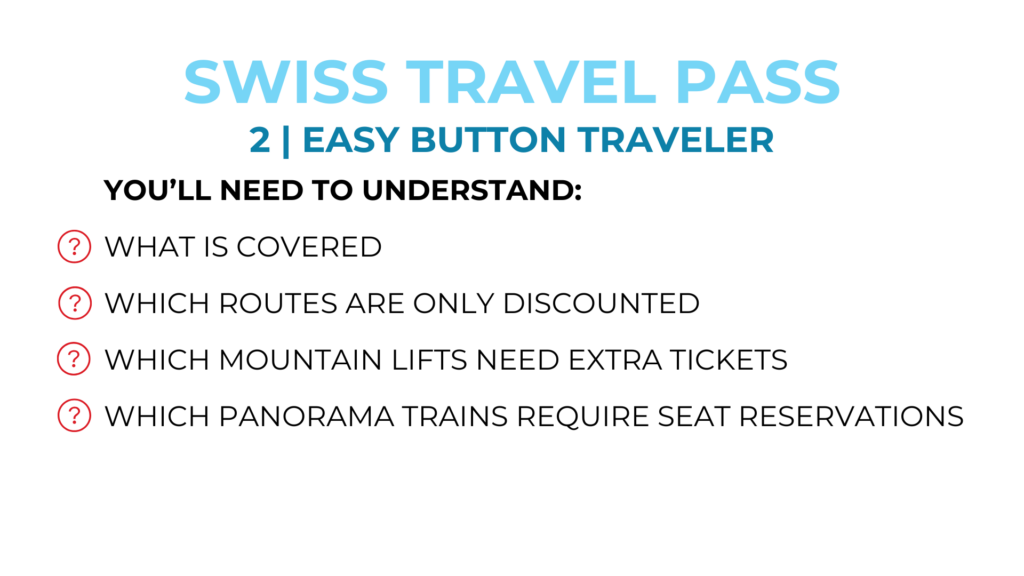
The Swiss Travel Pass makes normal transportation easy — perfect for the Easy Button traveler. Mountain transportation is where it gets more complicated. We’ll deal with that a bit later.
Strong Fit: The Flexible Day-Tripper
Now let’s chat about the Flexible Day-Tripper. This is you if you’re staying in a central hub and want freedom to change plans based on weather and how you feel.
For example, let’s say your goal is not to pick 3–4 bases for your 7–10 day trip. You would rather choose 1 spot that’s good enough, and take day trips from there.
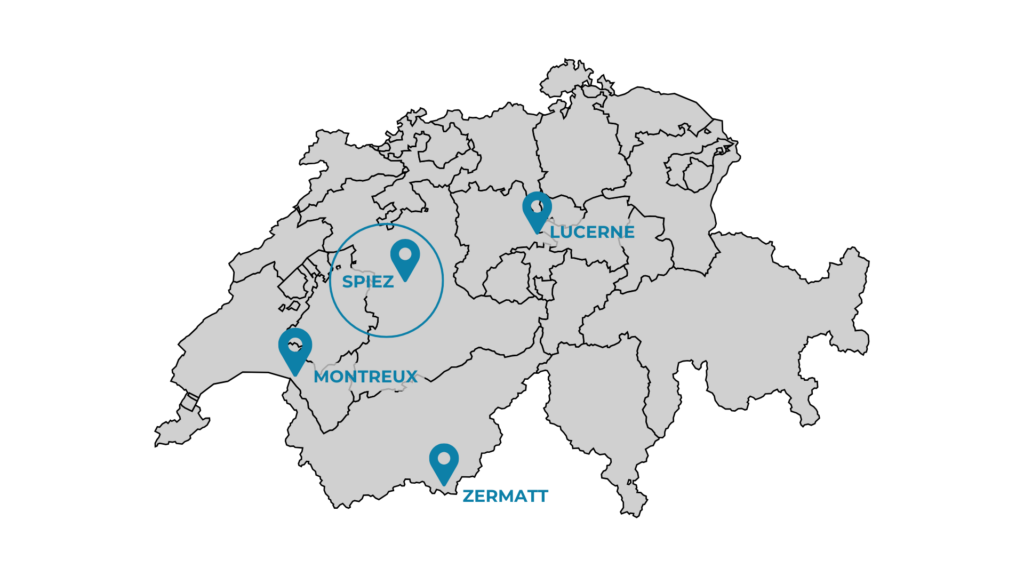
So you stay in Spiez, because you can explore the nearby mountains of the Berner Oberland when the weather is nice, but you can also pivot to lots more options, with the ability to reach Zermatt, Montreux on Lake Geneva, or even Lucerne, all in just 1 hour 45 minutes.
The longer your trip and the farther you’ll travel each day, the better your cost savings will be.
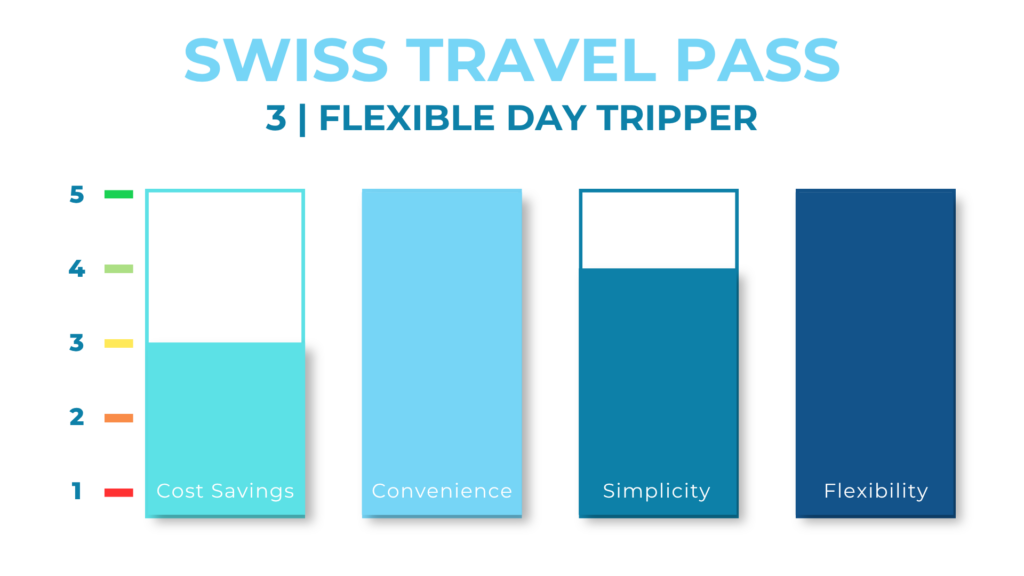
Here’s why the Swiss Travel Pass makes sense:
Flexibility matters more in Switzerland than many travelers realize, because the best itinerary on paper is not always the best itinerary when you wake up and check the webcams or forecast.
Now, regional passes like the Berner Oberland Pass or Lucerne Travel Pass are also flexible in a similar way. The Swiss Travel Pass gives you flexibility across the whole country, but regional passes only give you that flexibility within a set region. So just consider if you truly need country-wide flexibility before purchasing a Swiss Travel Pass.
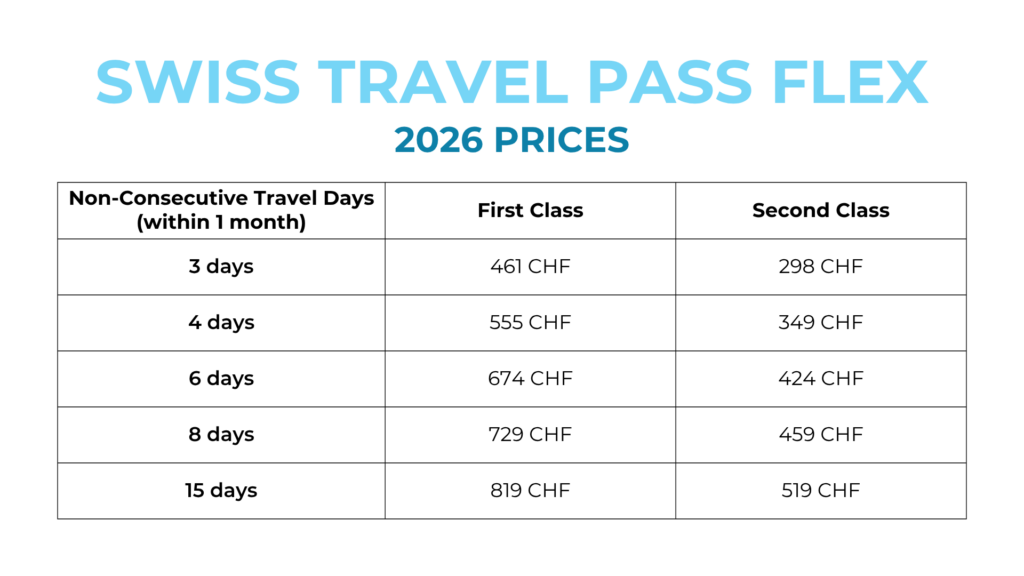
One option worth knowing about is the Swiss Travel Pass Flex, which lets you choose your travel days within a one-month period instead of using consecutive days. That can be helpful if you’re mixing big travel days with slower city or rest days — but you do need to activate each travel day online before using any of the benefits.
Reality Check #2: Reservations and extra tickets still exist
The Swiss Travel pass gives you flexibility on many covered routes, but not every trip can be spontaneous.
If you’re riding something like the Glacier Express or Bernina Express, seat reservations will still need to be booked separately, and will lock you in to pre-chosen dates and times of travel.
Strong Fit: The “More than Trains” Traveler
Next up is the “More than Trains” Traveler. This is you if you’re stacking up the extras that make the Swiss Travel Pass more valuable.
- Boats? Heck yeah. You’re gonna glide all over Lake Geneva, Lake Lucerne, Brienz and Thun, and probably even take a Rhine River cruise.
- Museums? Absolutely! You couldn’t imagine coming to Switzerland without visiting the Chateau de Chillon, the Olympic Museum, and Swiss Museum of Transport just to name a few.
- Scenic Train Rides? Uh, yeah! Glacier Express, here you come! Bernina Express, on your list too. And the GoldenPass express — that goes without saying.
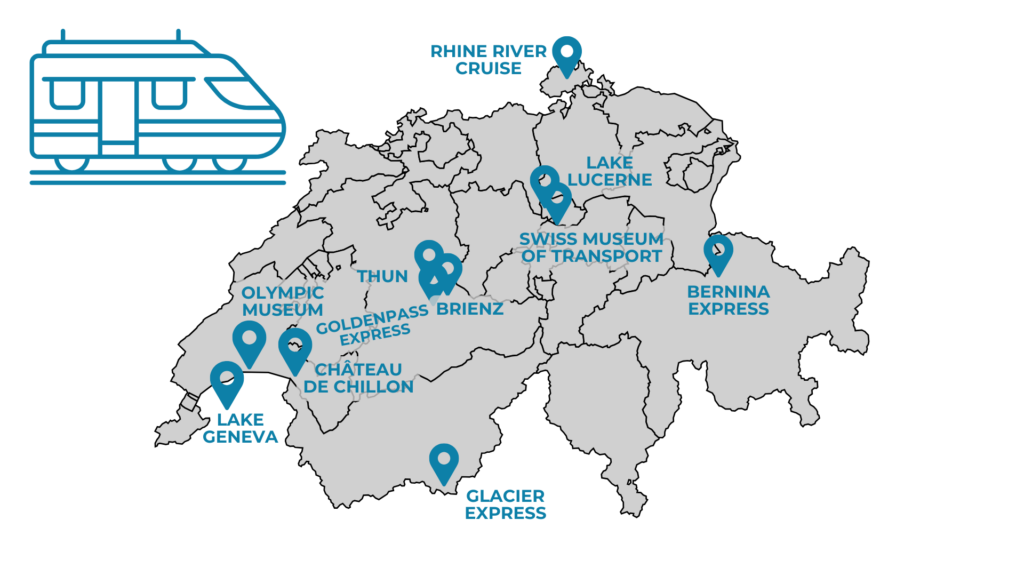
The more of these extra benefits you’ll use your pass for, the better the value…but keep in mind that other train passes, guest cards, or even the Swiss Coupon Pass might offer similar benefits.
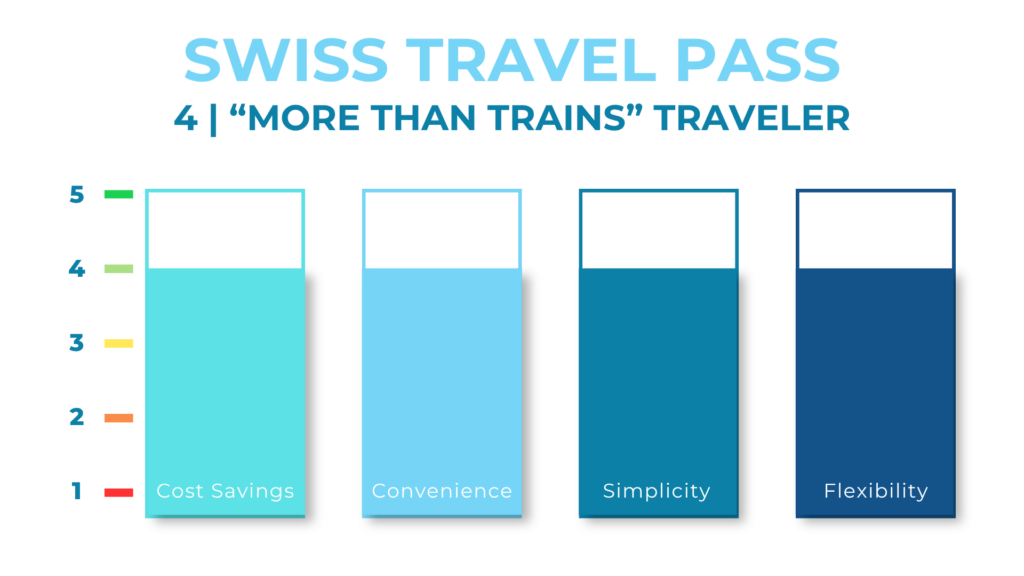
Here’s why the Swiss Travel Pass makes sense:
It gets sneakily more valuable when you use the available benefits beyond the normal city-to-city travel.
And this is a good time to mention mountain trips. A few of these excursions are fully included in the Swiss Travel Pass, like
- Mt. Rigi, the Stanserhorn, and Stoos village near Lucerne
- And you can of course reach the mountain villages of Mürren, Wengen, Grindelwald, and Zermatt as well
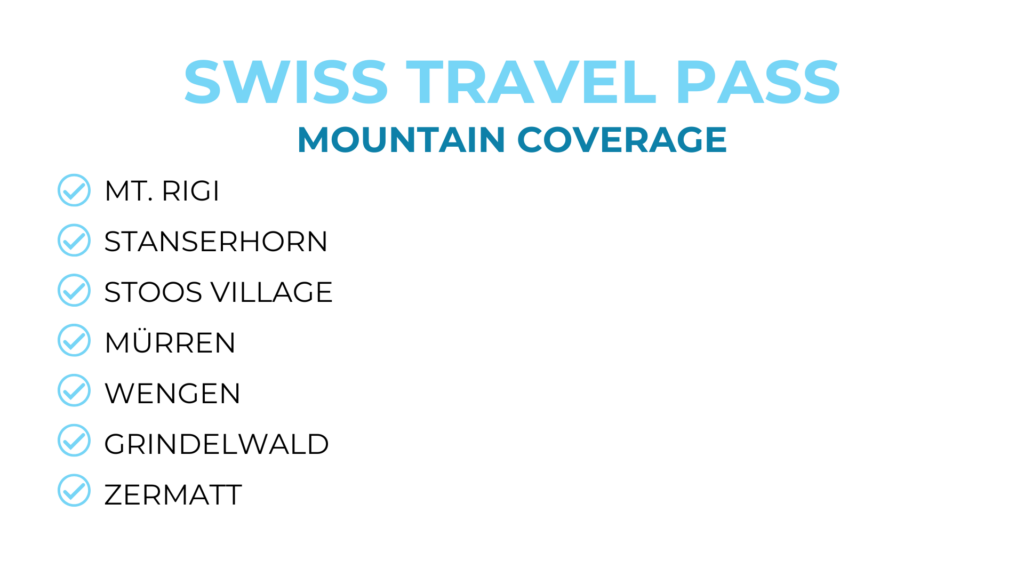
But don’t assume every “scenic” or “mountain” experience is fully included. Most are only discounted.
If you only use the Swiss Travel Pass for a handful of train rides, it may feel expensive. But if you’re using trains, boats, city transport, museums, and included scenic trains and mountain excursions, the value starts stacking.
Maybe/Compare: The Practical Traveler
But what about the Practical Traveler? This is you if you care about cost, but you also don’t want your trip to become a spreadsheet.
And honestly, this is probably where a lot of you are.
The Swiss Travel Pass is best when it helps your trip feel easier without being wildly more expensive. But if the difference is hundreds of francs, you may want to compare it with the Half Fare Card or a regional pass.
And this is exactly why we made our free Swiss Train Pass Checklist — because the comparison game is where most travelers get stuck.
This free download helps you pick the best pass for your trip in just 5 minutes.
And it includes direct links to buy these passes so you don’t need to ask Google or AI for help.
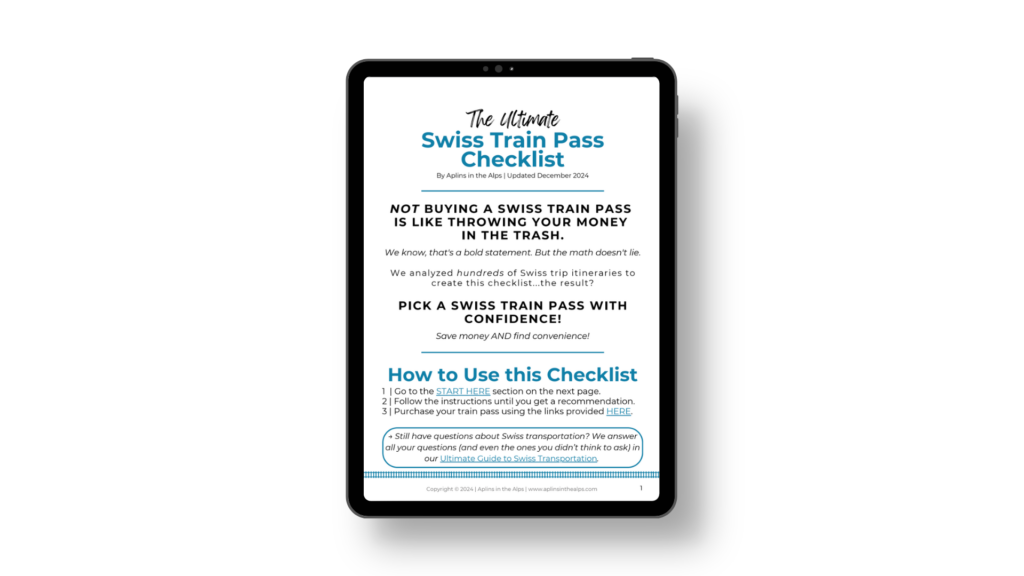
Yes, some of them are affiliate links but if you’ve found our free advice to be helpful then buying through our links is an easy way to say thank you. So be sure and check out that free download after you finish this video.
Pivot: When the Swiss Travel Pass probably does NOT make sense
As much as the Swiss Travel Pass can be a great fit, there are also a few travelers we would usually steer in another direction.
Think Twice: The Budget Maximizer
So let’s chat about the Budget Maximizer. This is you if you want every franc to go as far as possible.
In ⅔ to ¾ of the actual trip itineraries I’ve analyzed, the Swiss Travel Pass is not the cheapest option available.
And here’s why it often doesn’t make sense:
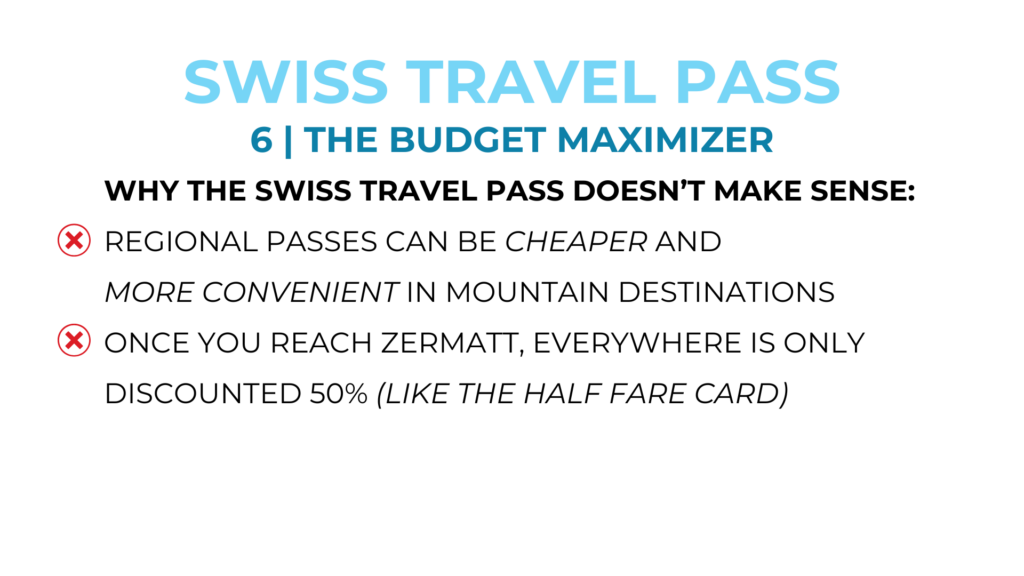
- Regional passes can be cheaper and more convenient in mountain destinations like the Jungfrau Region, or even central Switzerland near Lucerne.
- And while you can reach Zermatt for free with a Swiss Travel Pass, once you’re there, anywhere you go will only be discounted 50%, which is exactly the discount a Half Fare Card would provide.
Speaking of the Half Fare Card, it’s not quite a train pass, but more like a coupon card, entitling you to a 50% discount on nearly every ride you’re likely to take throughout the entire country.
And this often works out to be the best option for cost-conscious travelers.
Yes, you’ll have to buy a ticket for every ride you take, but this is so much simpler than you might think because you can buy them on the SBB Mobile App anytime — even when you’re waiting on the platform for your ride to arrive. We have a complete screenshot tutorial we’ll link for you below.
And if you value simplicity, especially if cost savings is also important to you, you might find that the Half Fare Card is simple enough.
Because the Swiss Travel Pass reduces ticket buying, but the Half Fare Card reduces confusion since it’s always 50% off and it works nearly everywhere.
Think Twice: The Mountain-Focused Traveler
Next up is the Mountain-Focused Traveler. And this is you if most of your expensive transportation will be mountain lifts, not city-to-city trains.
Example:
- You fly into Zurich and travel to Interlaken, where you follow our 1-Week Guide to the Jungfrau Region.
- Then you finish in Zermatt where you enjoy our 3-Day Guide to Zermatt.
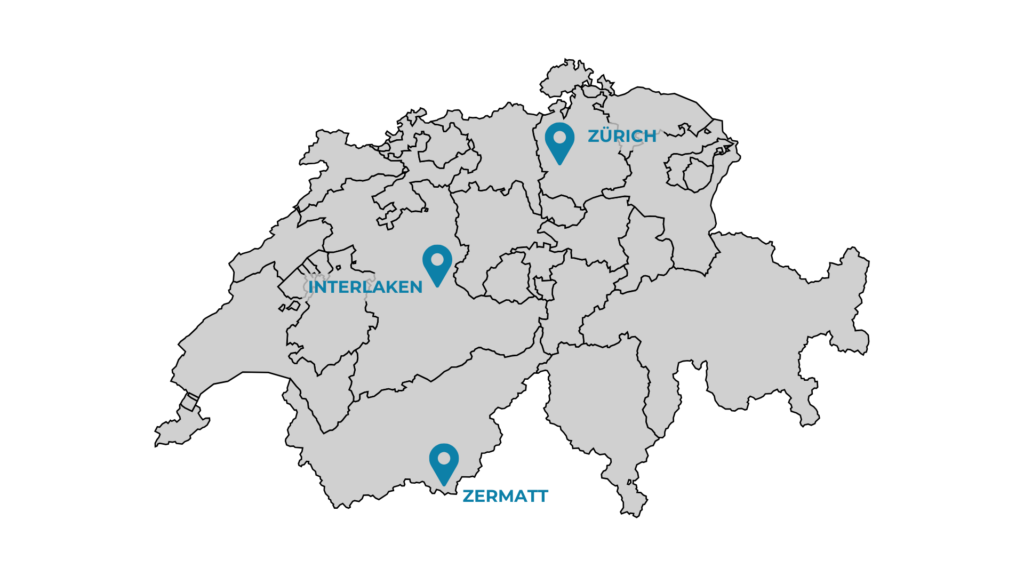
Here’s why the Swiss Travel Pass doesn’t make sense for an itinerary like this:
- Some of the most expensive rides you’ll take during your vacation are mountain trains, gondolas, and cable cars. And regional passes and/or the Half Fare Card often perform better.
- And even from a convenience standpoint, you’d be purchasing lots of additional tickets because your Swiss Travel Pass will only discount most of these rides.
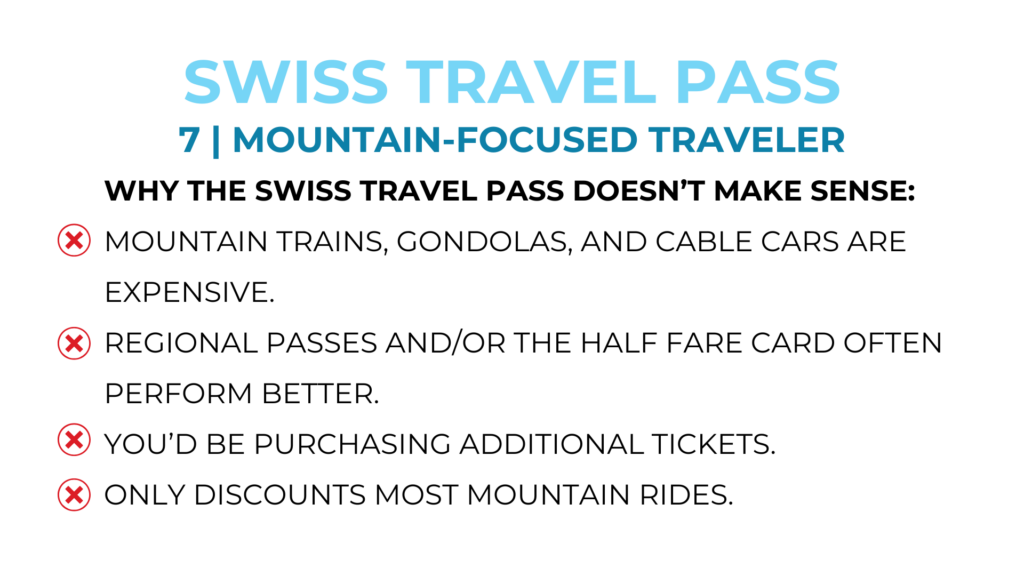
The short answer: regional passes will often be cheaper and more convenient than a Swiss Travel Pass, especially when you stay longer in each mountain region. We don’t have time here to get into the specifics of regional passes, but we’ve covered many of them already on our channel.
Think Twice: The Simple City Hopper
But what about the Simple City Hopper? This is you if you’re visiting a few cities, staying several nights in each, and not taking tons of expensive side trips.
A great example is our Swiss Christmas Markets itinerary we created for this video, which includes 3 nights in Zurich, 3 nights in Basel, and 3 nights in Montreux.
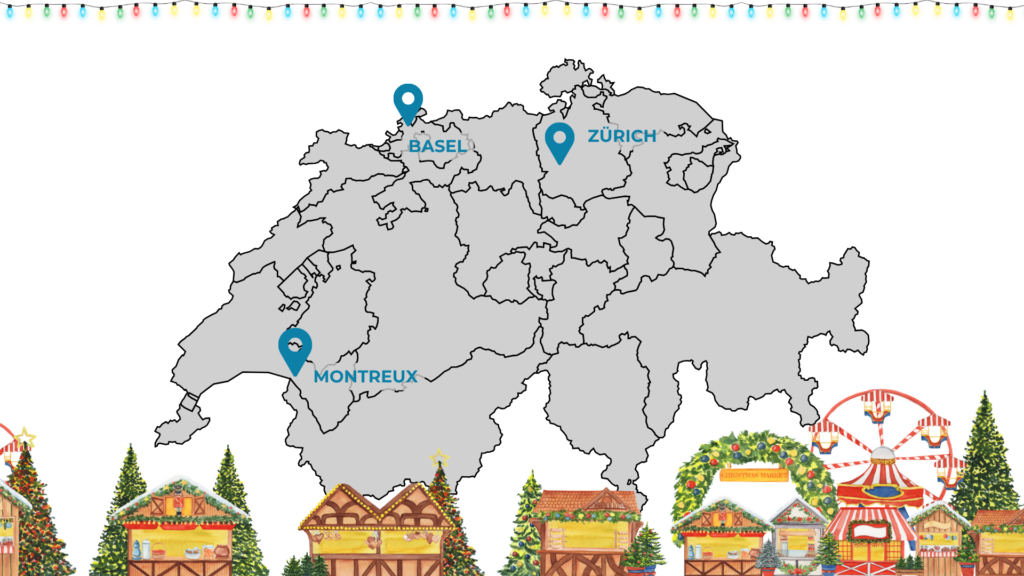
Here’s why the Swiss Travel Pass often doesn’t make sense for a city hopper:
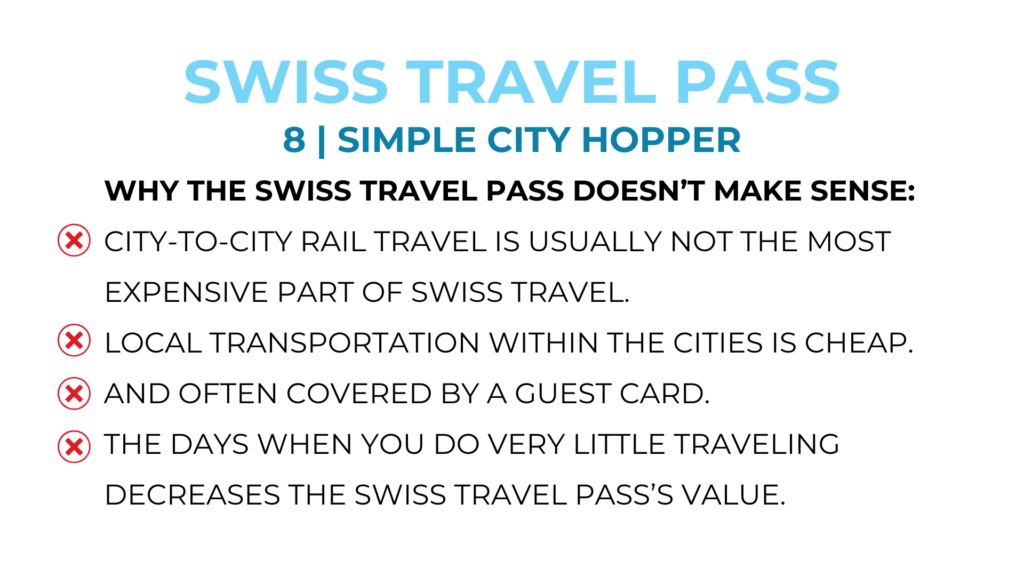
- City-to-city rail travel is usually not the most expensive part of Swiss travel.
- Local transportation within the cities is cheap by Swiss standards, and often covered by a guest card if you’re staying overnight.
- And the days where you do very little traveling decrease the Swiss Travel Pass’s value.
Moreover, if you do plan for one or two expensive scenic train routes, it might feel like enough to justify purchasing the Swiss Travel Pass. But this is a classic example where we highly recommend snagging a cheap Saver Day Pass in advance instead. Learn more about those in this video.
So in summary, don’t buy a Swiss Travel Pass just because you’re visiting multiple cities. Buy it if the covered transportation routes will justify the price.
Reality Check #3
The Swiss Travel Pass is best for travelers who want an easy, flexible, countrywide Switzerland trip.
It’s usually not best for you if you’re trying to optimize every franc, especially if most of your trip is regional or mountain-heavy.
And if you’re still not sure which profile sounds most like your trip, our free Swiss Train Pass Checklist will help you compare your options and give you our best recommendation.
And if you’re already one step ahead and wondering how to ride Swiss transportation like a pro, this will help you, too. And we’ll see you on the trains in Switzerland!